





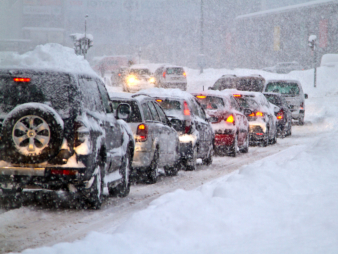
Severe winter weather can arrive quickly and create significant challenges for businesses. Snow, ice, freezing temperatures, power outages, and hazardous travel conditions may disrupt operations and affect employee safety. Difficult travel or forced closures may require employers to pay certain employees even if they cannot reach work. While employers cannot control the weather, they can reduce legal and operational risk by understanding their obligations and planning ahead.
Practical Ways to Promote Cold-Weather Safety
Low temperatures and winter conditions present hazards particularly for employees who work outdoors or in partially exposed environments. Although there are no federal regulations specifically addressing cold weather precautions, employers still have a legal obligation to maintain a workplace free from recognized hazards.
Conducting periodic assessments, utilizing reasonable judgment, and being flexible as conditions change is good practice for any employer. Depending on the nature of the work, employers should consider:
- Training employees to recognize and address weather-related hazards
- Providing access to warm shelters, warm-up breaks, and proper gear
- Clearing snow and ice and addressing slip-and-fall hazards promptly
- Allowing remote work, adjusted schedules, or use of available leave
- Establishing and communicating procedures in advance
Employers should also be mindful that additional winter gear can introduce new risks. Bulky clothing or gloves may interfere with machinery, and eyewear may fog in cold temperatures.
Weather-Related Closures, Remote Work, and Pay Issues
Severe winter weather can force temporary closures, delay openings, or shift employees to remote work. Pay obligations during these disruptions depend primarily on employee classification.
Non-Exempt Employees
The Fair Labor Standards Act (“FLSA”) requires payment of non-exempt employees for all hours worked. If a non-exempt employee works remotely, all hours must be tracked and compensated. If no work is done due to inclement weather, federal law does not require payment. Employers must still comply with any applicable collective bargaining agreements, company policies, and state and local laws.
Exempt Employees
Overtime exempt employees generally must receive their full salary for any week in which they perform work. If weather closes your business for part of the week, or if remote work is done, exempt employees still receive their full salary.
Employers may, in some circumstances, require exempt employees to use accrued paid time off (“PTO”). However, if no PTO is available, salary obligations remain if any work is performed during the week. Only a full-week closure with no work performed allows for an unpaid week. Salary deductions from exempt employees’ pay are restricted and should be reviewed carefully.
Clear Policies and Planning Make a Difference
Ultimately, ensure your policies are clear, properly communicated, and consistently applied. Note that state and local law may differ from federal laws and that employers should carefully review pay practices before making deductions.
Winter weather is inevitable, but preparation can make a meaningful difference.
Please contact your Critchfield attorney with any questions.
Tagged In:Employment & LaborRegulatory Compliance